

Whole Person Coaching Diploma
Our Philosophy and Approach
-

A Whole-Person Approach to Coaching
People are complex, multi-faceted beings. The way we think, feel, respond, relate and make decisions is deeply interconnected, and our approach to coaching reflects that. We encourage coaches to work with the wider human experience, recognising the relationship between thoughts, emotions, behaviours, values, lived experience, the body and the nervous system.
This training combines strong foundational coaching skills with a more integrative, whole-person approach to coaching. Alongside professional coaching practice, students are introduced to perspectives drawn from mindfulness, somatic awareness, positive psychology, human behaviour and nervous system-informed regulation.
Together we will explore how stress, beliefs, emotional patterns, self-awareness, embodied experience and behavioural conditioning can all influence the way people move through the world. The aim is to work in a way that supports deeper awareness, more meaningful reflection and sustainable change.
-
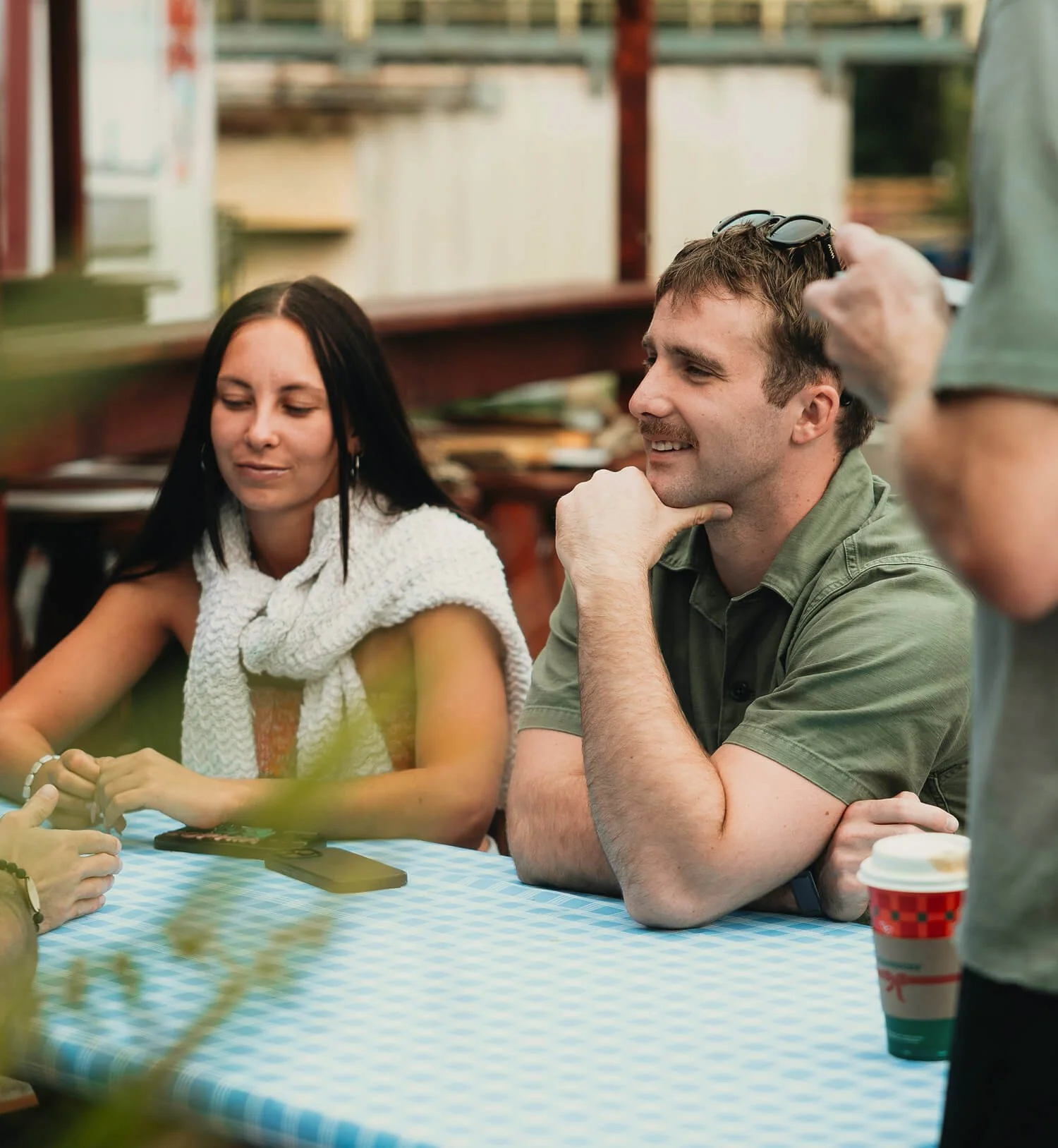
Learning Coaching Through Experience
Coaching is something that must be practised and embodied, not simply studied in theory.
Alongside live teaching, demonstrations and discussion, the course places a strong emphasis on experiential learning, reflective practice and supported coaching conversations. Students are encouraged to develop confidence through practice, feedback and real-time exploration, gradually building both skill and self-trust over the duration of the training.
The learning environment is supportive, thoughtful and interactive, with space for curiosity, discussion and different perspectives. While the training is structured and professionally held, we also recognise that becoming a coach is often a personal journey as well as professional process.
-
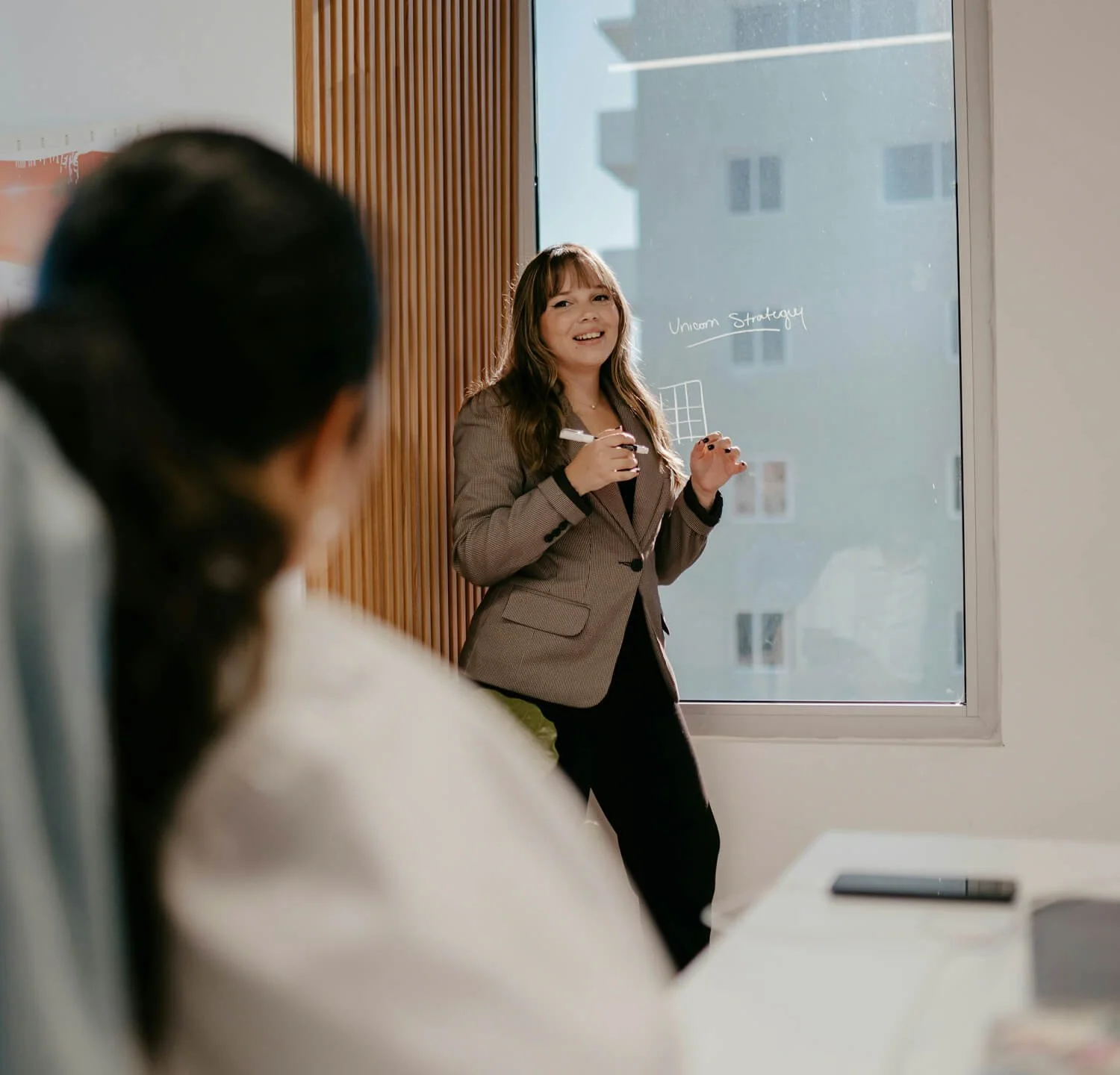
Developing Your Own Coaching Voice
While this training is grounded in strong professional foundations, ethics and core coaching skills, we also recognise that each coach brings their own personality, values, life experience and perspective into the coaching relationship.
The aim is not to create coaches who all sound the same, but thoughtful, self-aware practitioners who can work in a way that feels both professional and deeply human, with the freedom to explore the approaches that feel most aligned to them.
Module Overview
What’s Included
The training is experiential, interactive and reflective in nature, combining live teaching with coaching practice, discussion, feedback and supported development throughout the programme. Alongside learning coaching skills, students are encouraged to deepen their own self-awareness, confidence and coaching presence over time.
Approximately five months of supported coach training, running from mid-September 2026 to late-February 2027
45 hours of live online training delivered via Zoom, allowing you to learn from anywhere
85 hours of total coach training, including live learning, mentoring, coaching practice and self-study
25 hours of coaching practice to support the development of real-world coaching experience and confidence
Choice of weekday or weekend training pathways to allow greater flexibility around work and life commitments
10 hours of mentor coaching and supported feedback throughout the course
Experiential learning through live coaching practice, observation, reflection and discussion
Ongoing opportunities to both coach and be coached within a supportive learning environment
Module handouts, reflective exercises and additional learning resources to support your development throughout the programme
Guidance around building and developing your own coaching practice in a way that feels aligned and sustainable
Small cohort sizes to support meaningful interaction, individual feedback, trust and genuine community connection
Continued connection through the alumni community following completion of the training
No previous coaching experience is required, although a genuine interest in people, self-development and reflective learning is encouraged. Read the Coach Training Program Policies here.

Professional Standards and Accreditation
The diploma has been created in alignment with ICF ACC Level 1 coaching standards and competencies, supporting students to develop strong professional coaching foundations alongside a more integrative approach to coaching practice.
The training is accredited as a Coach Training Diploma by the International Practitioners of Holistic Medicine (IPHM), and has also been submitted for ICF Level 1 accreditation (currently pending approval). Read the Coach Training Program Policies here.
Next Intake
The diploma opens for one annual intake each autumn, with small cohort groups designed to support meaningful interaction, individual feedback and genuine connection throughout the training.
For the 2026 intake, students can choose between two learning pathways running concurrently: a weekday morning cohort or a weekend intensive format. Both pathways cover the same core curriculum and are designed to offer flexibility around work, family and existing commitments.
The training takes place over approximately five months, from September through to February, combining live online learning, coaching practice, reflective work and mentor support within a structured but supportive learning environment.
As places are intentionally kept small, applications and conversations are encouraged early. Following the autumn 2026 intake, the next opportunity to join the diploma will be autumn 2027.
-
9.30am – 12.45pm via Zoom
15 live online sessions spread across five months.
Dates:
17 September
1 October
15 October
22 October
29 October
5 November
19 November
26 November
3 December
10 December
17 December
7 January
14 January
21 January
18 February
-
7 full Saturdays and 1 half-day Saturday
9.30am – 5pm (final session 9.30am – 12.45pm)
Designed to allow for interactive learning without overwhelming screen fatigue, with a morning and afternoon break alongside a full lunch break built into each training day.
Dates:
19 September
3 October
31 October
21 November
28 November
12 December
9 January
20 February (half day)
The live sessions form an important part of the learning experience, with a strong emphasis on interaction, discussion and coaching practice.
Sessions are recorded for catch-up purposes, and because the weekday and weekend cohorts run alongside one another, students may also be able to attend the corresponding session in the alternative cohort where appropriate. This offers additional flexibility while still allowing students to benefit from the live, interactive nature of the training.


Learn, Reflect,
Grow Together

Early Booking Investment
To support early commitment and planning, a reduced early booking rate is available until 31st August 2026.
Paid in full: £2,500
Payment plan: 10 monthly instalments of £250
Standard Investment
Paid in full: £2,750